
Naas, Co. Kildare
The Boyles of Naas
A house and its gardens, the history of a family and a town, and a lifetime's reading in art, architecture and faith.
The identity
One name, four subjects
The Boyles of Naas is the work of years — family research, town history and the records of Trinity College Dublin, gathered and written up as a trilogy.
Everything else on this site grows out of that: the house and gardens where the work was done, the histories that surround it, and the reading in art and architecture that runs alongside.
[CLIENT TO CONFIRM WORDING]
The books
The Boyles of Naas trilogy
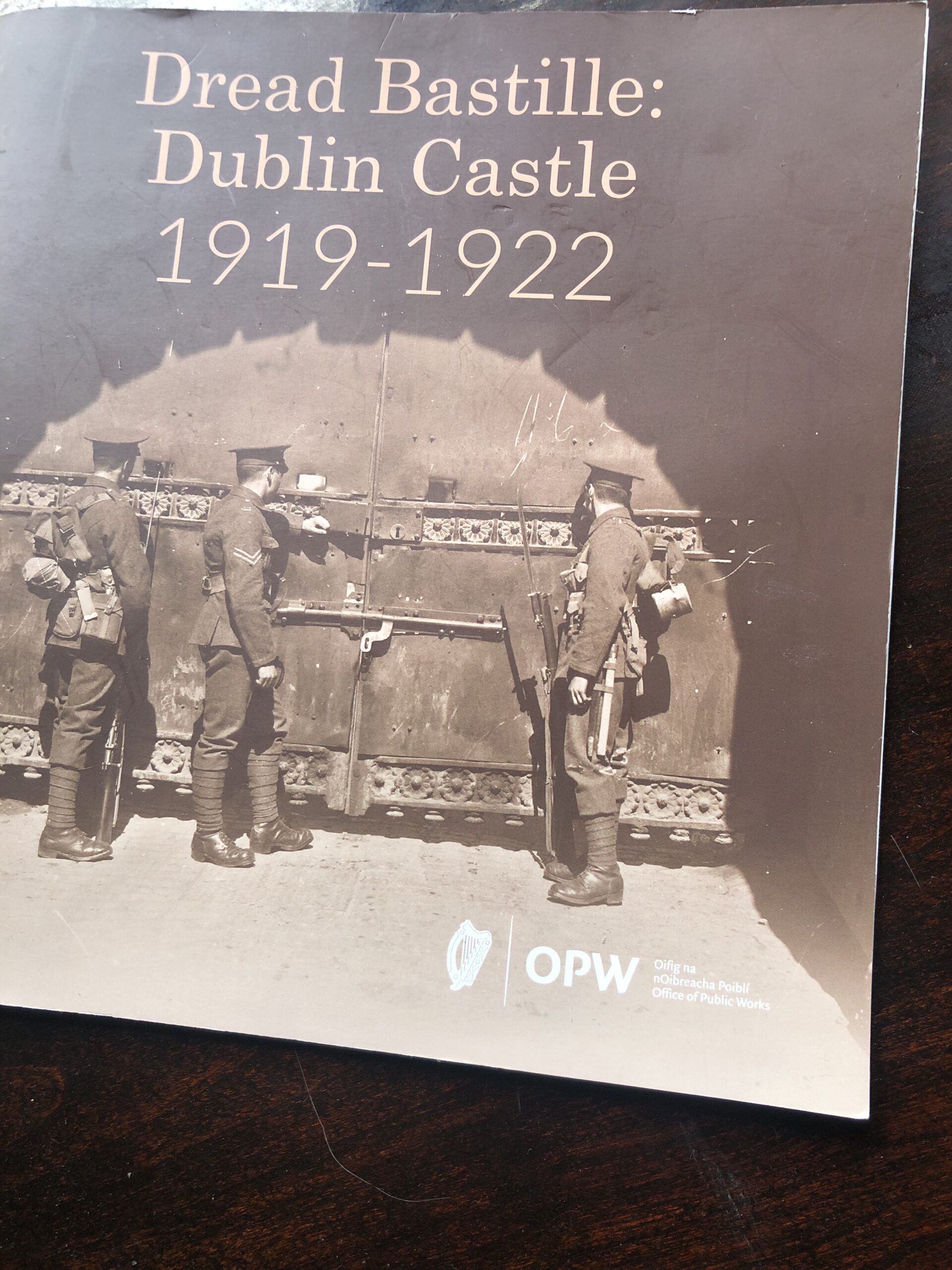
Volume One
By Richard Boyle
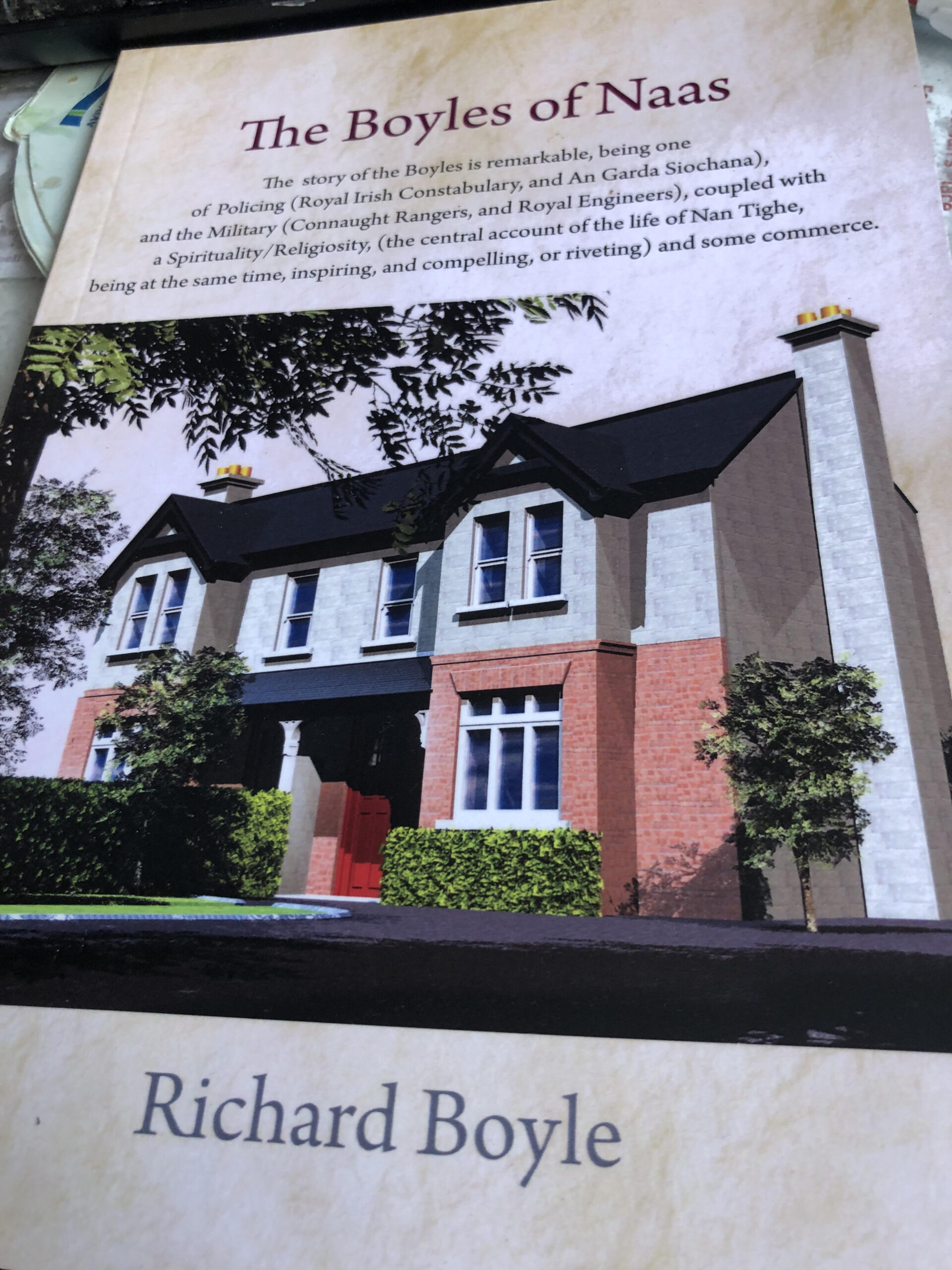
Volume 2
By Richard Boyle
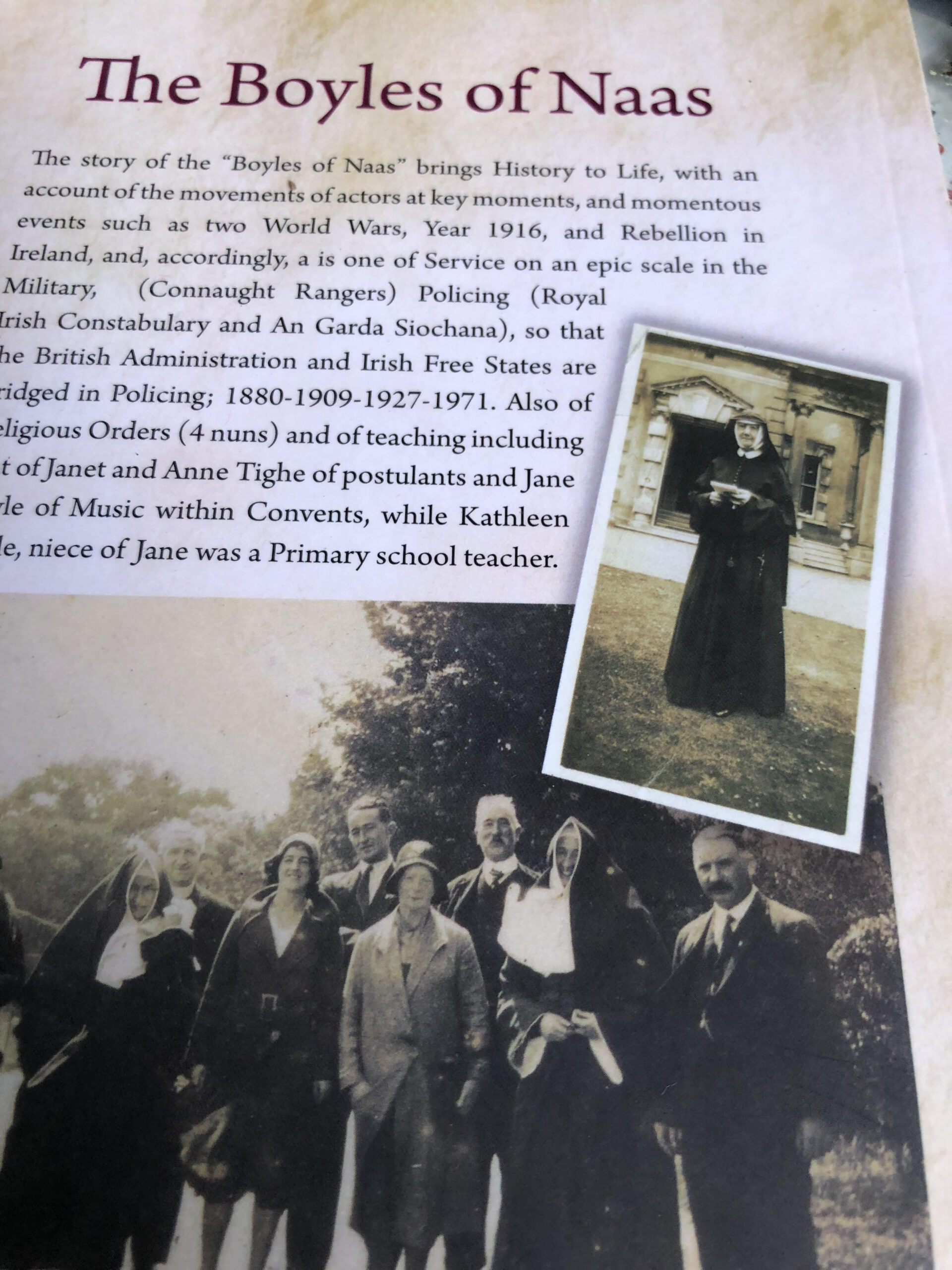
Volume 3
By Richard Boyle
Three volumes covering the Boyle family across generations, the town of Naas from the Moate to its medieval streets, and the academic and archival record.
[TITLES, COVERS AND PUBLICATION DETAILS TO BE CONFIRMED] Cover photographs will replace the placeholders on the left.
Nás na Ríogh
Naas takes its name from the Irish for the place of the kings. A Norman castle, a royal parliament and a fifteenth-century charter all belong to its record, and the family history sits inside that longer story.
[TO VERIFY] The dates below are drawn from the client's existing website and should be checked against his sources before publication.
The place of the kings
-
c.1200
A castle of the early Norman period is built at Naas, later known as King John’s Castle.
-
1206
King John visits the town.
-
1210
He returns and holds a parliament at Naas; around this time Kildare becomes a separate county.
-
1409
Henry IV grants Naas its first charter as a corporation, with powers to collect tolls at the town’s entrances following soon after.
The property
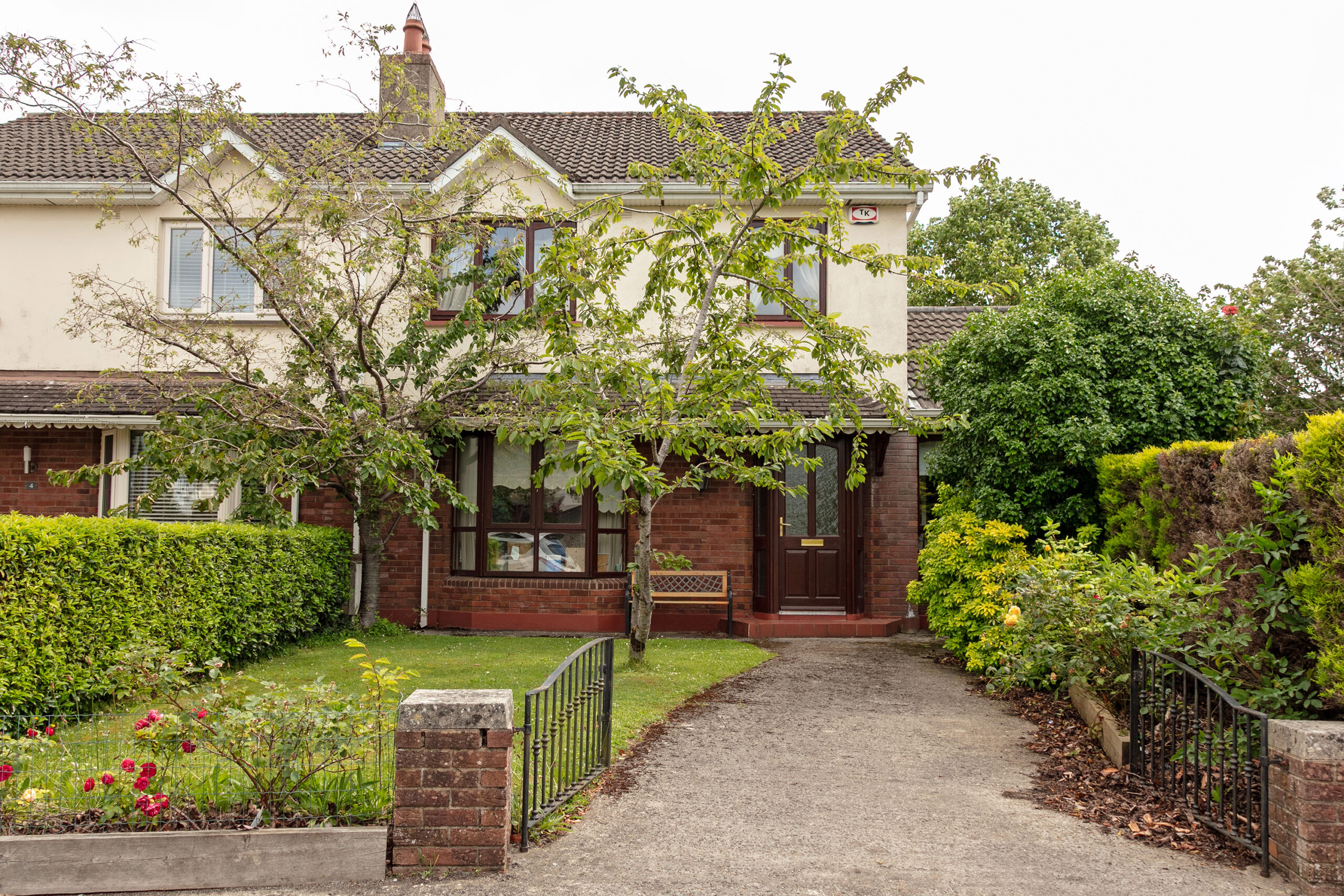
Gleann na Ríogh
History & heritage
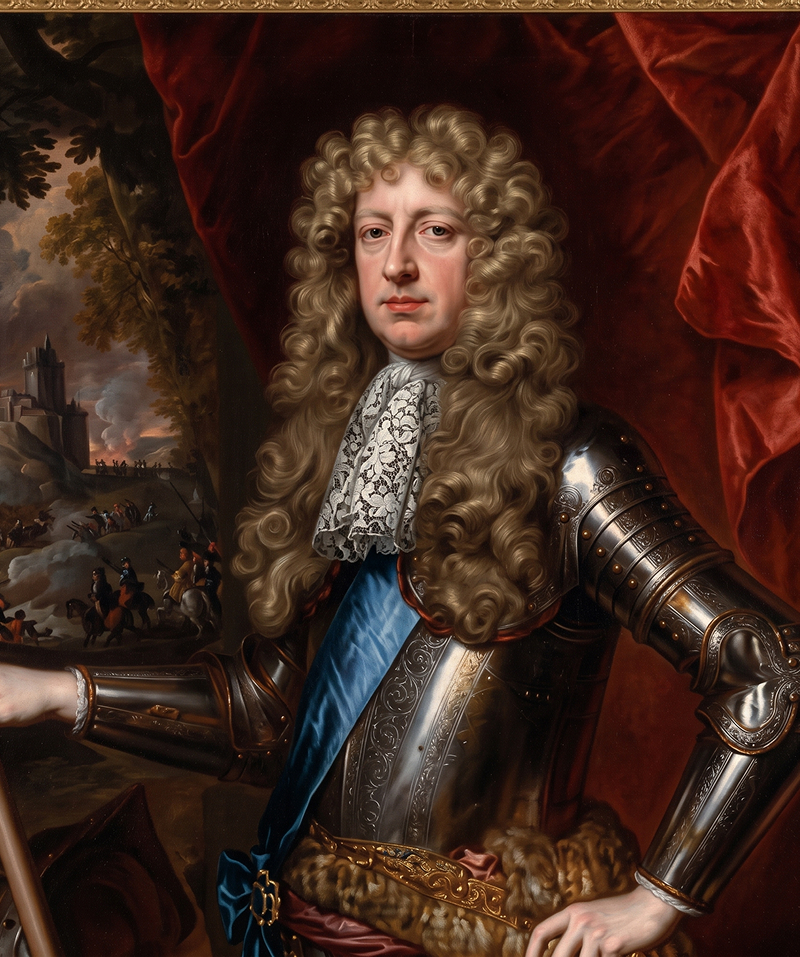
The Burghs of Naas
Thomas Burgh, 1670–1730, and the family and town histories gathered around him: Naas itself, architecture, Trinity College Dublin, and a long record of military and public service.
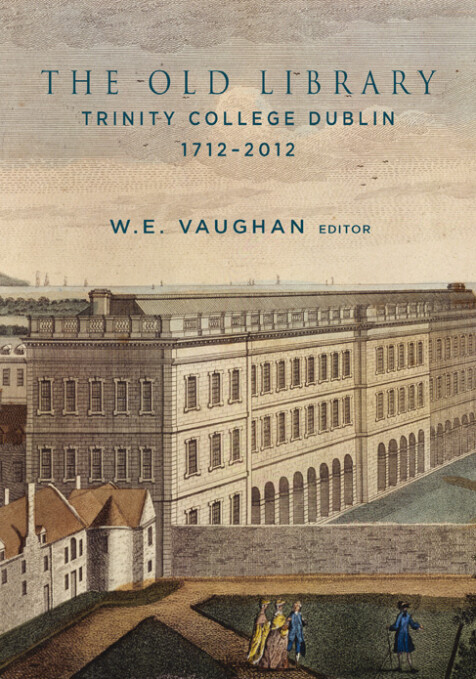
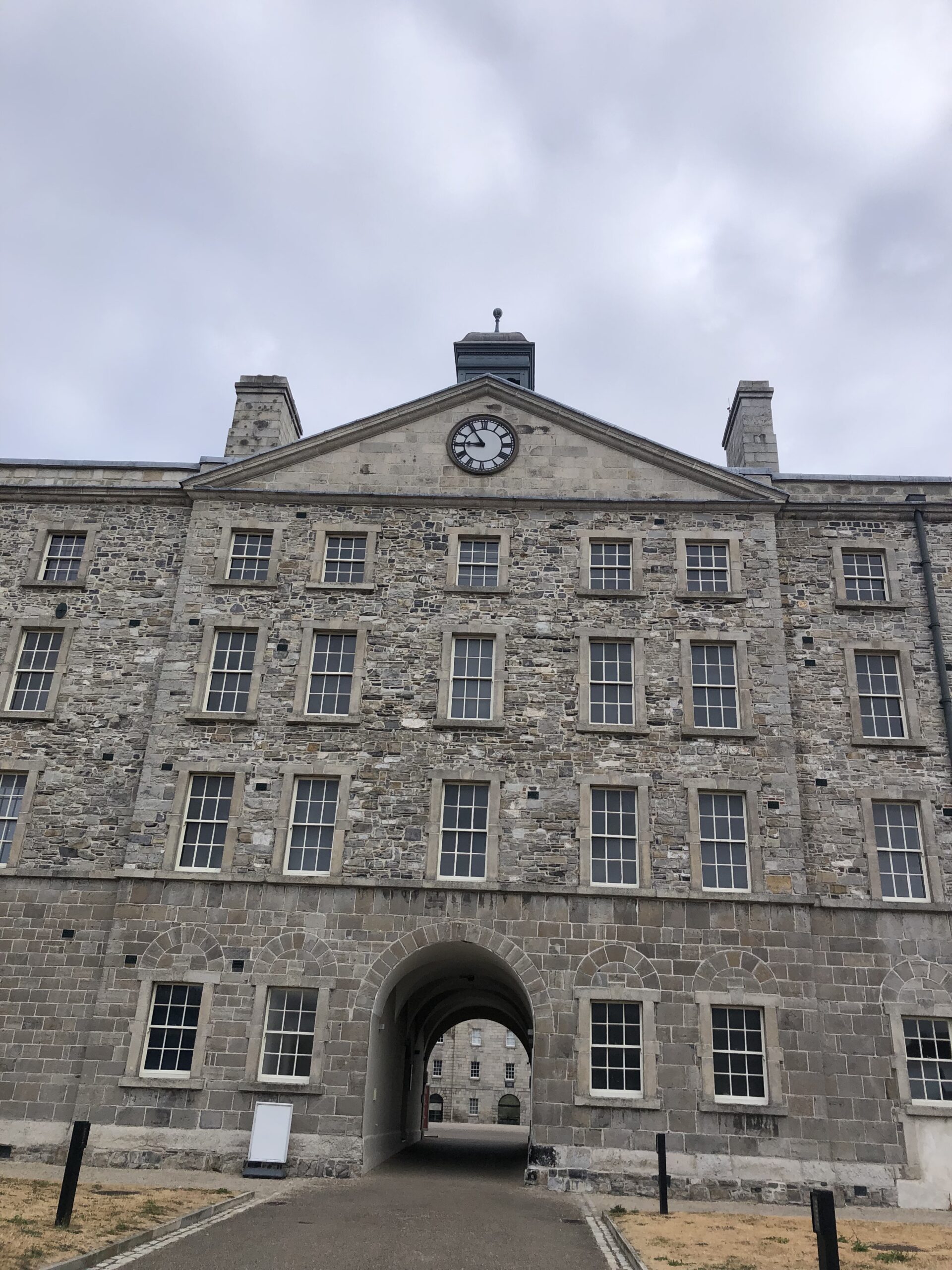
Burgh served as Surveyor General of Ireland from 1700 until his death, and later represented Naas as a Member of Parliament from 1713 onward. Beyond Trinity's Old Library, he designed several of Dublin's major public buildings, including the Royal Barracks (now Collins Barracks) and Dr Steevens' Hospital.
Art, faith & culture
The Institute
Research and travel across the Italian Renaissance, sacred art, and the architecture of the places behind them — Venice, Verona, Vicenza, Padua, Florence and Treviso among them.
Written from first-hand visits rather than compiled from reference works.
The author
Richard Boyle
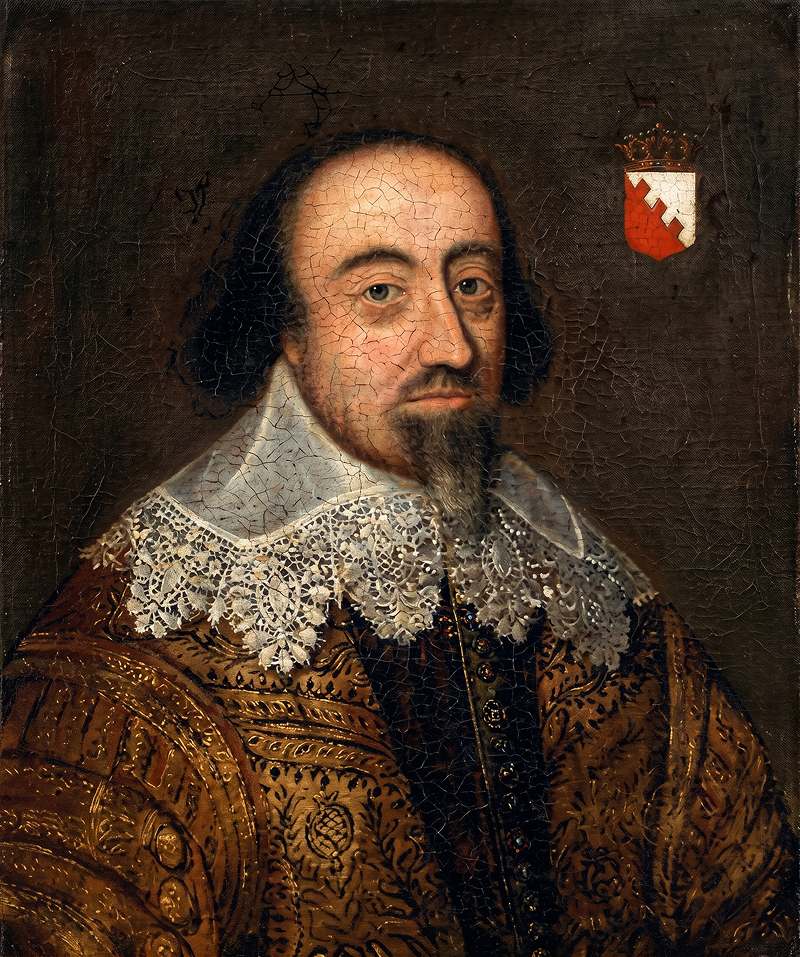
Richard Boyle was born in Kent in 1566, the second son of a Herefordshire-born father and a mother from Canterbury. He studied at Cambridge alongside his elder brother but left without a degree, going on to gain legal and clerical experience in London before crossing to Ireland in 1588 to seek his fortune — the move that would set the family's Irish story in motion.

Nás na Ríogh
PlaceholderThe Nás na Ríogh mark shown here is the supplied logo. Its exact placement and role on the finished site — as a page emblem, a section marker, or part of the primary identity — is to be confirmed.